
Application · Plastics & masterbatch
Chitosan-based antimicrobial masterbatch.
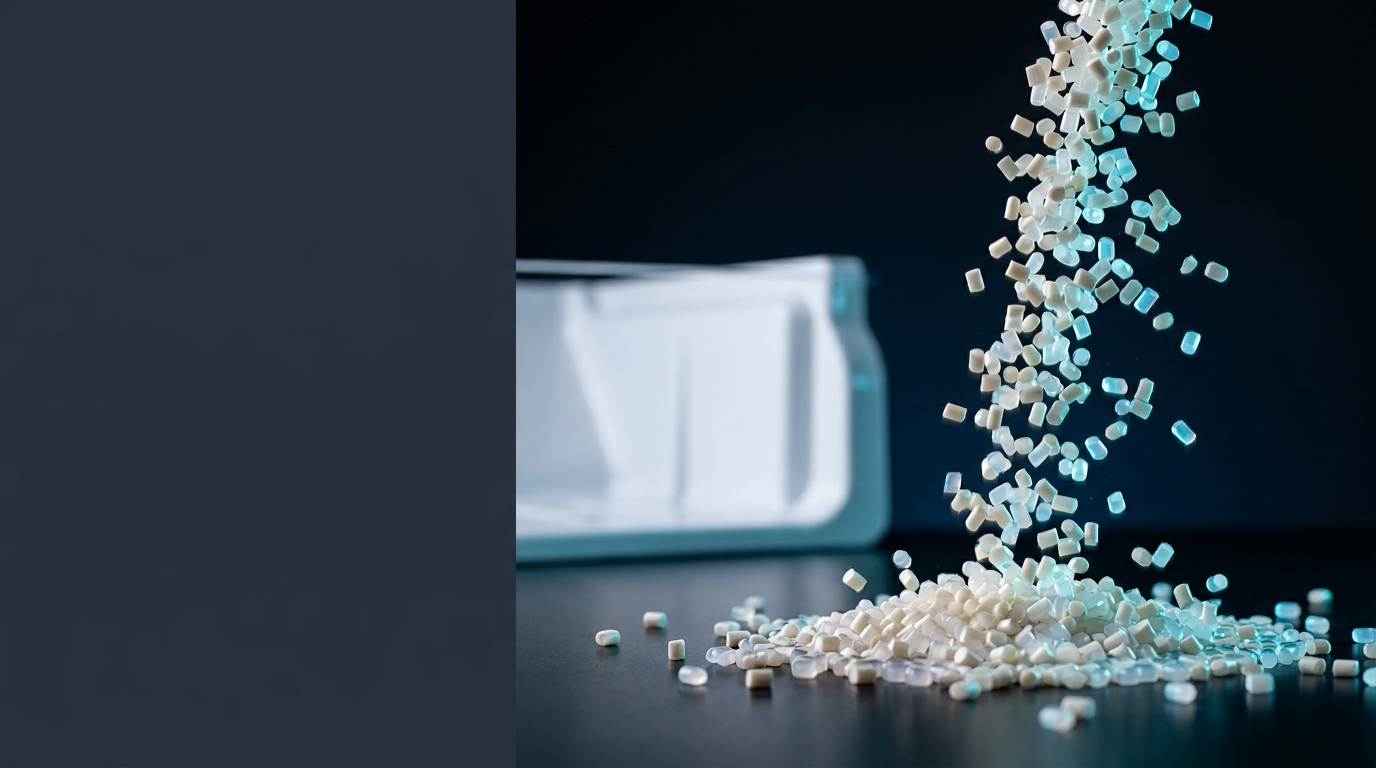
ZCP, based in Dresden, supplies Z-Chitosan as a masterbatch for PP, PE, ABS and other polymers, and develops formulations for injection moulding and extrusion together with processors.
- Problem
- Microbial colonisation of plastic parts in contact with food or skin
- Material
- PP · PE · PVC · PET · PS · ABS · PA · PC as listed in the catalogue
- Incorporation
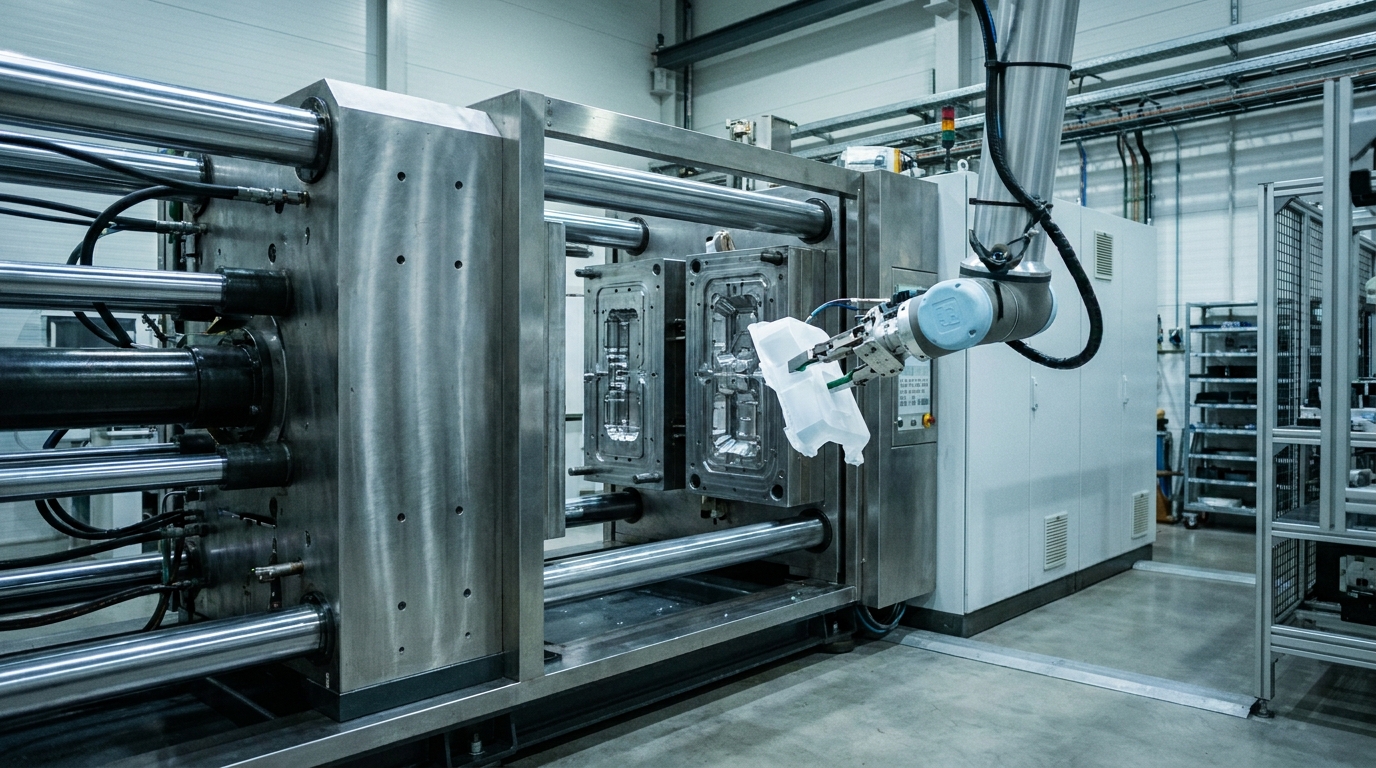
- Masterbatch for injection moulding, extrusion and blow moulding
- Test data
- selected test data on request, subject to review and NDA
The problem
Microbes on plastics, pressure on established actives.
Z-Chitosan is built from chitosan and plant extracts, without silver. Whether it can replace a silver-based treatment in your part will only be shown by test data in the specific polymer.
Literature
6.4%
In a study of 342 domestic refrigerators, Staphylococcus aureus was found in 6.4% of units and Listeria monocytogenes and E. coli in 1.2% each. [1]
Silver
Since 1 May 2026, silver has carried the harmonised EU classification as toxic to reproduction, category 2 (H361f), and STOT RE 2. [2]
Triclosan
In the EU, triclosan is not approved for biocidal products of product-type 1. Treated articles may only contain active substances approved for the relevant product-type; transitional rules apply to substances under review. [3] [4]
Scale Journey
From fridge part to particle.
Pick one of the three steps – the scale bar follows.
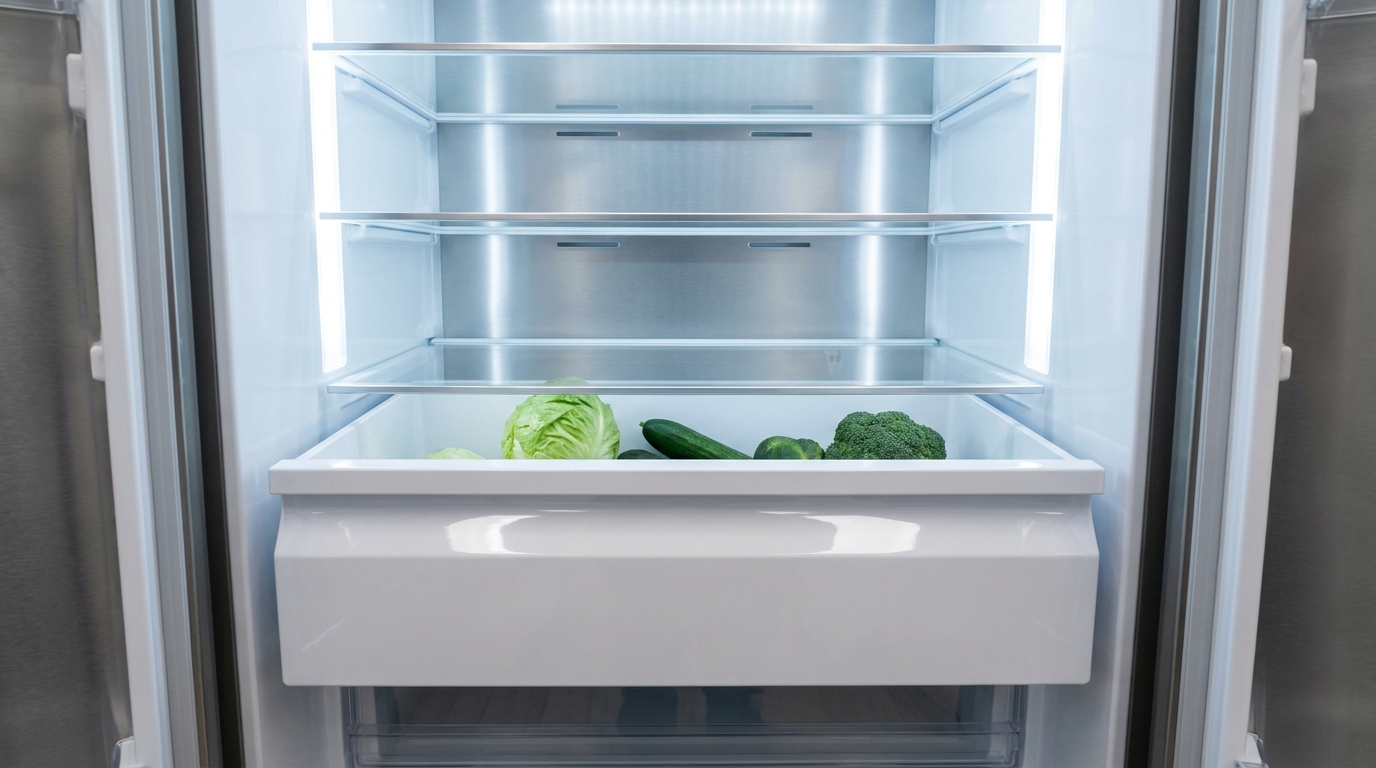
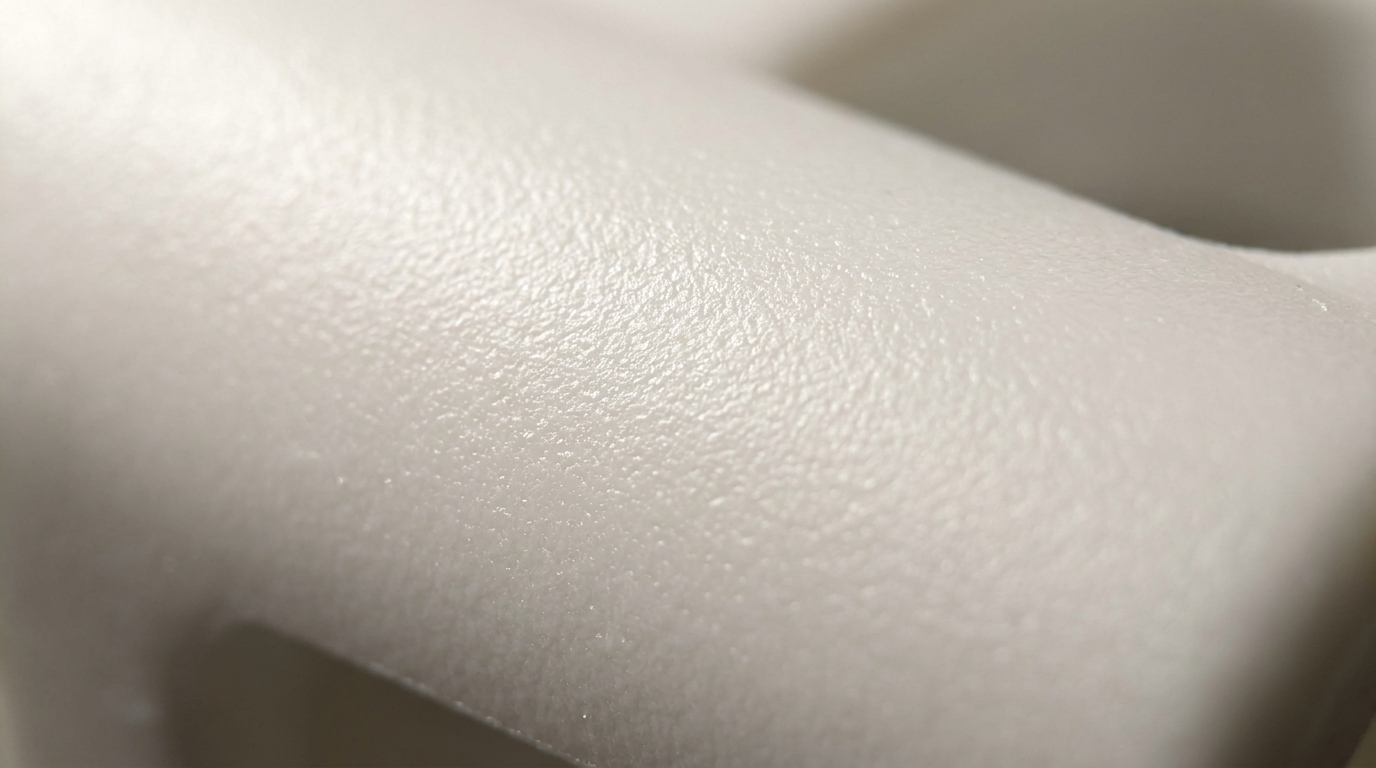
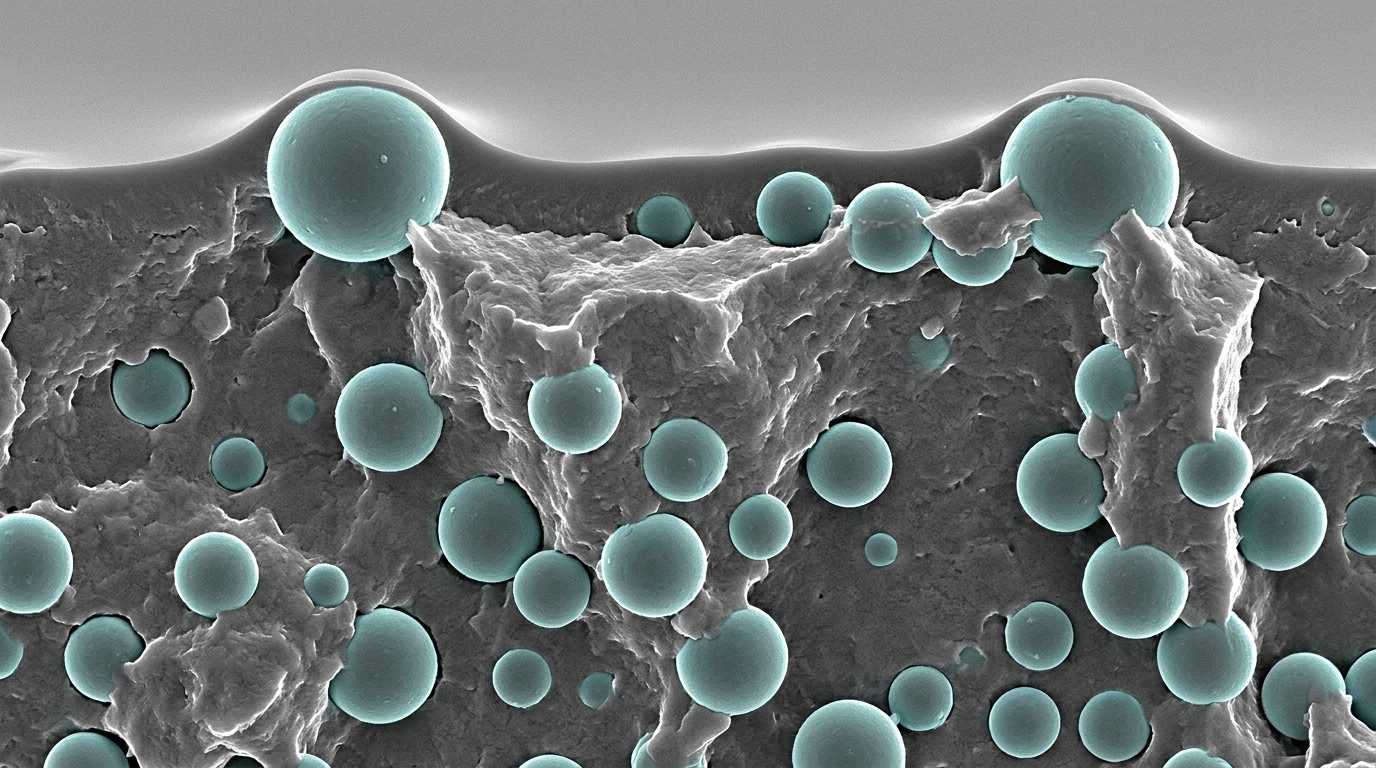
10 cm
Polypropylene crisper drawer
A part in daily contact with food and hands.
What am I looking at?
- 10 cm · Polypropylene crisper drawer. A part in daily contact with food and hands.
- 1 mm · The surface. This is where microbes meet the material. Only what lies at the surface can come into contact with them.
- 10 µm · Z-Chitosan particles dispersed in the polymer matrix. Some sit at the surface.
The images are visualisations, not measurements.
Dosing in principle
Move the masterbatch share. The particles in the part become denser, and so does the share at the surface.
Masterbatch share
Active content in the part: depends on the formulation, set in the project
Illustration of the principle, without figures. Patent US 12,071,490 describes a masterbatch share of 1 to 10 percent in the base material.
Incorporation
How Z-Chitosan gets into the part.
Injection moulding · Extrusion · Blow moulding
01
Masterbatch
Z-Chitosan in a carrier polymer, supplied as pellets.
02
Let-down
the masterbatch is added to the base polymer during processing.
03
Forming
injection moulding, extrusion or blow moulding.
04
Result
particles dispersed throughout the part, some of them at the surface.
Polymer matrix
- Material
- base polymer, e.g. PP
- Typical value wall thickness
- 1–3 mm
- Function
- shape and strength
- Z-Chitosan
- dispersed throughout the volume
- Testing
- ISO 846
Particles
- Material
- Z-Chitosan microparticles
- Typical value in the model
- 1–5 µm
- Function
- carrier of the antimicrobial component
- Z-Chitosan
- here
- Test
- dispersion in cross-section (microscopy)
Surface zone
- Material
- outermost zone of the part
- Typical value
- top micrometres (model)
- Function
- contact with microbes, food and skin
- Z-Chitosan
- particles at the surface
- Testing
- ISO 22196 / JIS Z 2801; for food contact, migration under Regulation (EU) No 10/2011
Loading model …
Layers
Click a layer or tap it in the scene. Origin and allergy information are on the Origin page.
What am I looking at?
| Layer | Material | Typical value wall thickness | Function | Z-Chitosan | Testing |
|---|---|---|---|---|---|
| Polymer matrix | base polymer, e.g. PP | 1–3 mm | shape and strength | dispersed throughout the volume | ISO 846 |
| Particles | Z-Chitosan microparticles | 1–5 µm | carrier of the antimicrobial component | here | dispersion in cross-section (microscopy) |
| Surface zone | outermost zone of the part | top micrometres (model) | contact with microbes, food and skin | particles at the surface | ISO 22196 / JIS Z 2801; for food contact, migration under Regulation (EU) No 10/2011 |
| Polymer |
|---|
| PP Polypropylene |
| PE Polyethylene |
| PVC Polyvinyl chloride |
| PET Polyethylene terephthalate |
| PS Polystyrene |
| ABS Acrylonitrile butadiene styrene |
| PA Polyamide |
| PC Polycarbonate |
Testing
Testing and classification.
Which tests a product with Z-Chitosan needs depends on the material, the use and the intended claim; we define them together in the project. To protect our intellectual property, selected supporting test data may be made available to potential partners on request, subject to review and a non-disclosure agreement.
Regulatory framework
If Z-Chitosan has a biocidal function in the part, the part is a treated article under the Biocidal Products Regulation (EU) No 528/2012; if the property is advertised, labelling under Article 58(3) applies. For food contact, Regulations (EC) No 1935/2004 and (EU) No 10/2011 apply as well. [4] [5]
- treated article (Art. 58 BPR)
- food contact Reg. (EC) 1935/2004
- Reg. (EU) 10/2011
Status of Z-Chitosan under biocides law: clarified for each product type before a project starts
Classification, not legal advice. As of 26 September 2026
For your records
Partner fact sheet
- Problem
- Microbial colonisation of plastic parts in contact with food or skin; replacing established actives such as silver or triclosan
- Materials
- PP · PE · PVC · PET · PS · ABS · PA · PC as listed in the catalogue
- Incorporation
- Masterbatch for injection moulding, extrusion and blow moulding
- Test data
- selected test data on request, subject to review and NDA
- Regulatory framework
- Biocidal Products Regulation (EU) No 528/2012, Art. 58; for food contact, Regulations (EC) No 1935/2004 and (EU) No 10/2011
- Partnering
- Samples and supply · joint formulation development · licence
- Status
- Partners wanted
- Contact person
- Hadi Sultani, Managing Director · +49 176 84362604
FAQ
What processors ask.
Your question isn’t here? Ask the assistant or the team.
Which polymers is the Z-Chitosan masterbatch intended for?
The ZCP catalogue lists PP, PE, PVC, PET, PS, ABS, PA and PC. Which of these are available is clarified per polymer in the project. Patent US 12,071,490 also names polymer classes such as polyolefins, polyamides, polycarbonates, thermosets, elastomers, high-temperature thermoplastics and biopolymers. Other plastics, such as TPE or TPU, are assessed on request. What matters is processing temperature, residence time and compatibility with the carrier polymer.
What processing temperature can Z-Chitosan tolerate?
The patent states temperature stability of the final product from −100 °C to 300 °C; the temperature window for your polymer and process is clarified in the project. Chitosan and plant extracts are organic substances, so we review melt temperature, residence time and shear together with you. The feasibility check asks for these values and gives a preliminary assessment, not a commitment.
Is the masterbatch suitable for food contact?
Plastics in contact with food must comply with Regulation (EU) No 10/2011: additives generally have to be on the Union list, and the part must meet migration limits. The Biocidal Products Regulation adds requirements for the antimicrobial function. We will state the position for Z-Chitosan only once it is backed by a documented assessment.
Sources5
- Jackson V., Blair I. S., McDowell D. A., Kennedy J., Bolton D. J. (2007): The incidence of significant foodborne pathogens in domestic refrigerators. Food Control 18(4):346–351.
- Commission Delegated Regulation (EU) 2024/2564 (22nd adaptation of the CLP Regulation (EC) No 1272/2008 to technical progress), entry for silver; applicable from 1 May 2026.
- Commission Implementing Decision (EU) 2016/110 of 27 January 2016 not approving triclosan as an existing active substance for use in biocidal products of product-type 1.
- Regulation (EU) No 528/2012 (Biocidal Products Regulation), Art. 3, 58 and 94.
- Regulation (EC) No 1935/2004; Regulation (EU) No 10/2011; ISO 22196; JIS Z 2801; ISO 846.
Which polymer do you process?
The feasibility check is pre-set for plastics processing and asks for polymer, process and temperature.