
Z-Chitosan · antimicrobial materials technology
Protection that begins in the material.
Z-Chitosan combines chitosan with plant extracts into an antimicrobial system for medical devices, plastics, textiles and coatings. ZCP develops it with manufacturers, all the way to series production.
Z-ChitosanUS 11,708,424 B1US 12,071,490 B2Dresden
ZCP – Z-Chitosan Products Germany, based in Dresden, develops Z-Chitosan, an antimicrobial system of chitosan and plant extracts, and works with manufacturers to bring it into medical devices, plastics, textiles and coatings.
Principle
Three steps from raw material to surface.
What Z-Chitosan is, how it gets into the material and what the literature describes about its action at the cell.
-
01 · Structure
Chitosan meets plant extract
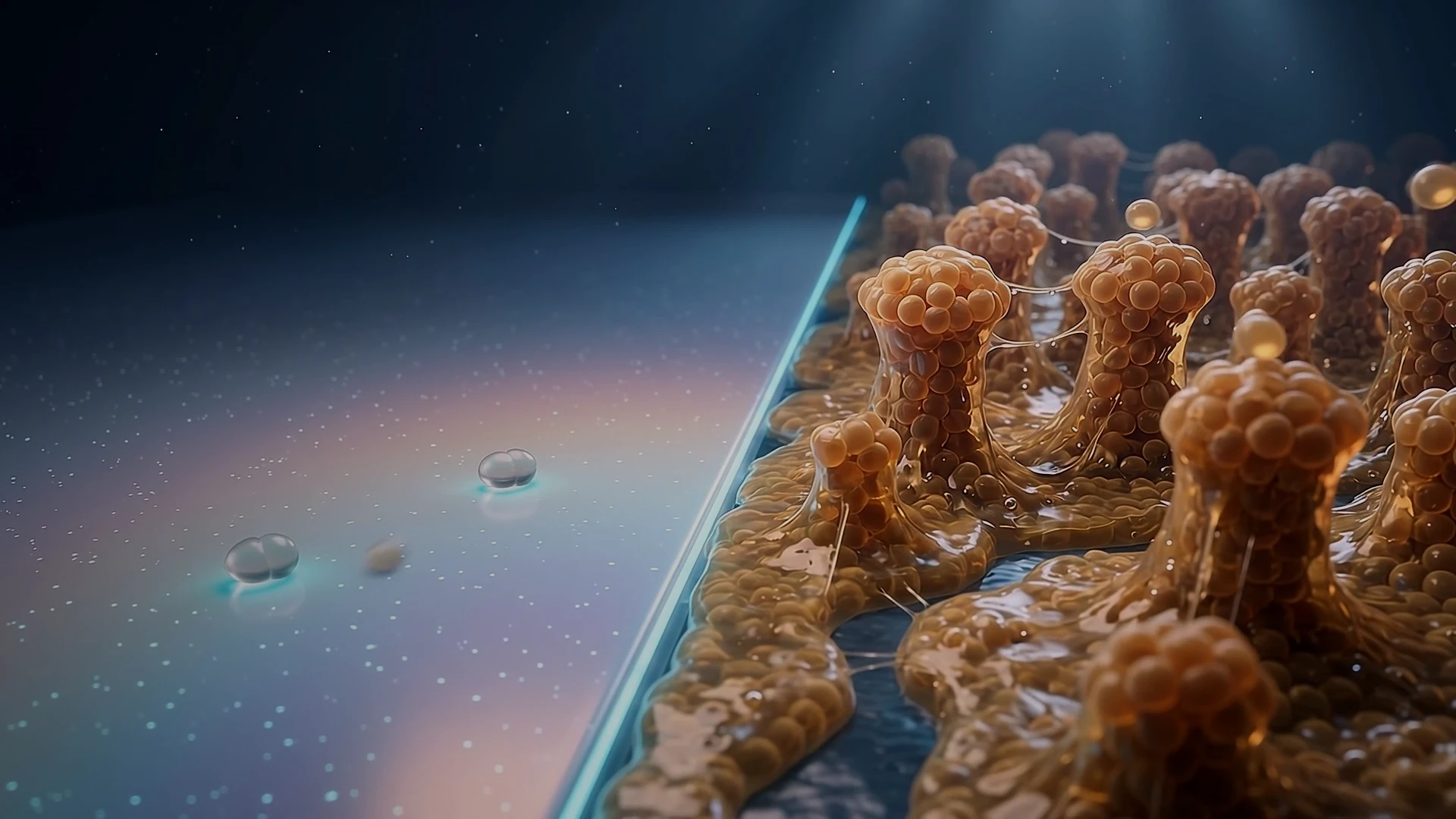
Chitosan, a cationic biopolymer derived from chitin, is combined with plant extracts in a multi-stage emulsion cross-linking process. Named in the patent, among others: thyme, oregano, cinnamon and clove.
What Z-Chitosan is -
02 · Incorporation
Four routes into the material
In the polymer as masterbatch, on the surface as a coating, on the fibre as a finish or in formulations. Suitability for your material is assessed case by case.
The four routes -
03 · Mode of action
Plus meets minus
The positively charged chitosan chain binds electrostatically to negatively charged components of the cell envelope. Binding can make the membrane more permeable. This is how the literature describes it.
Literature · Rabea et al. 2003; Kong et al. 2010
Scale Journey
From catheter to molecule.
Six steps, six orders of magnitude. Pick a step or start the journey – the scale bar follows.

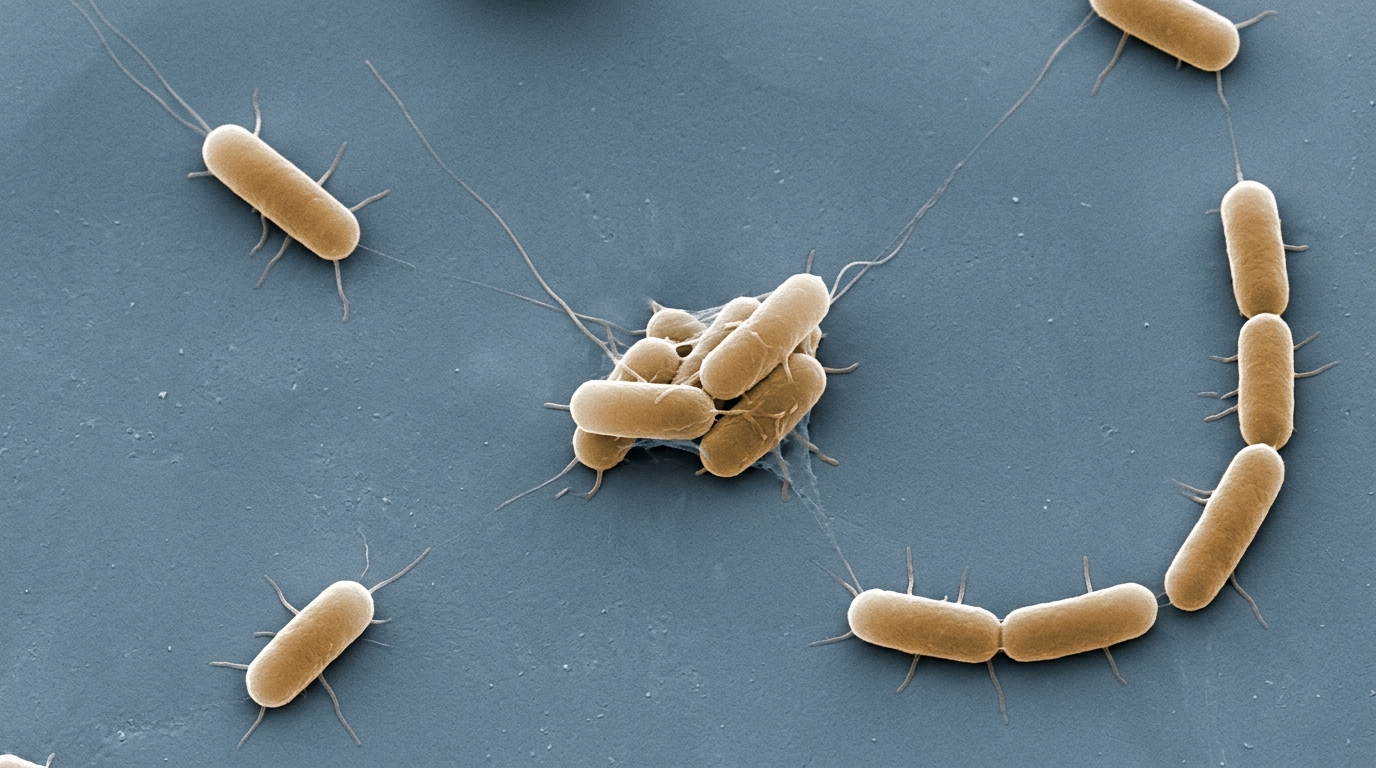
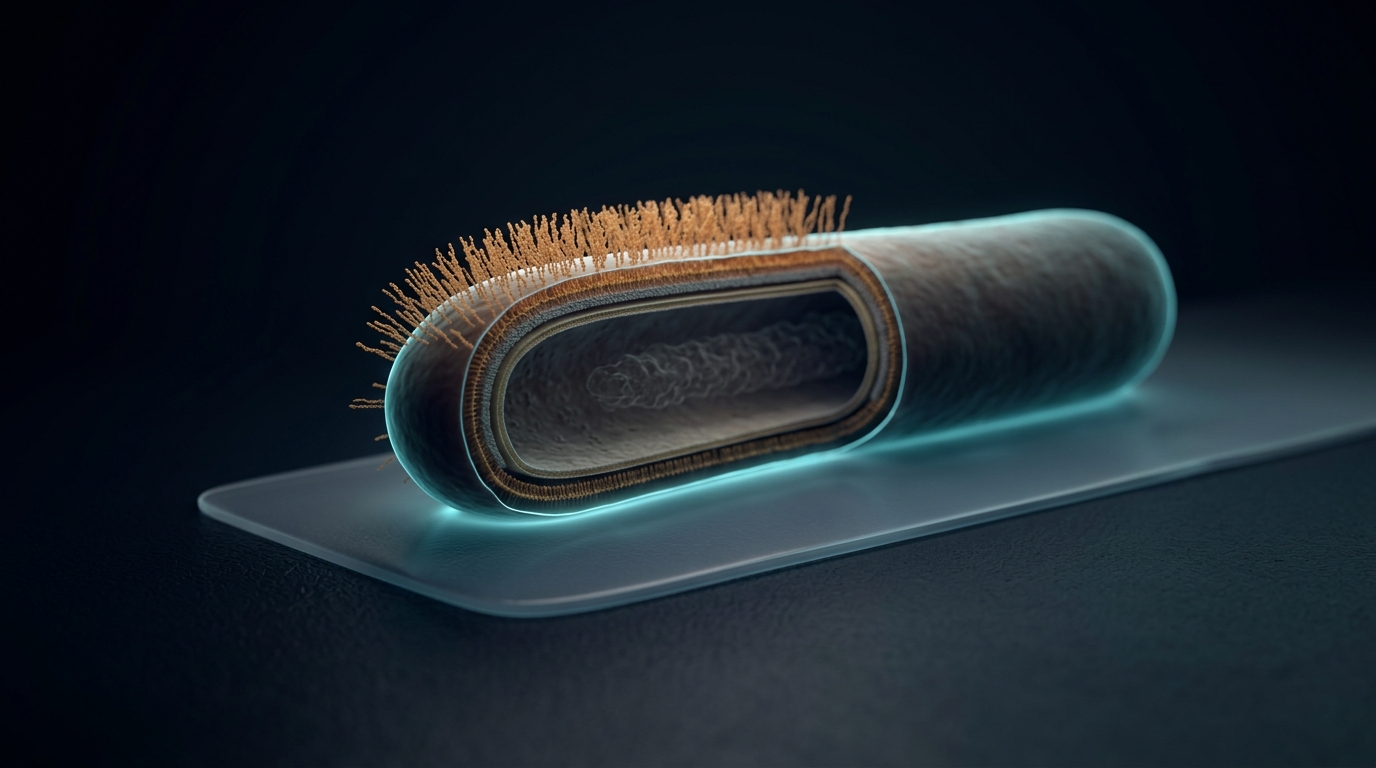
1 cm
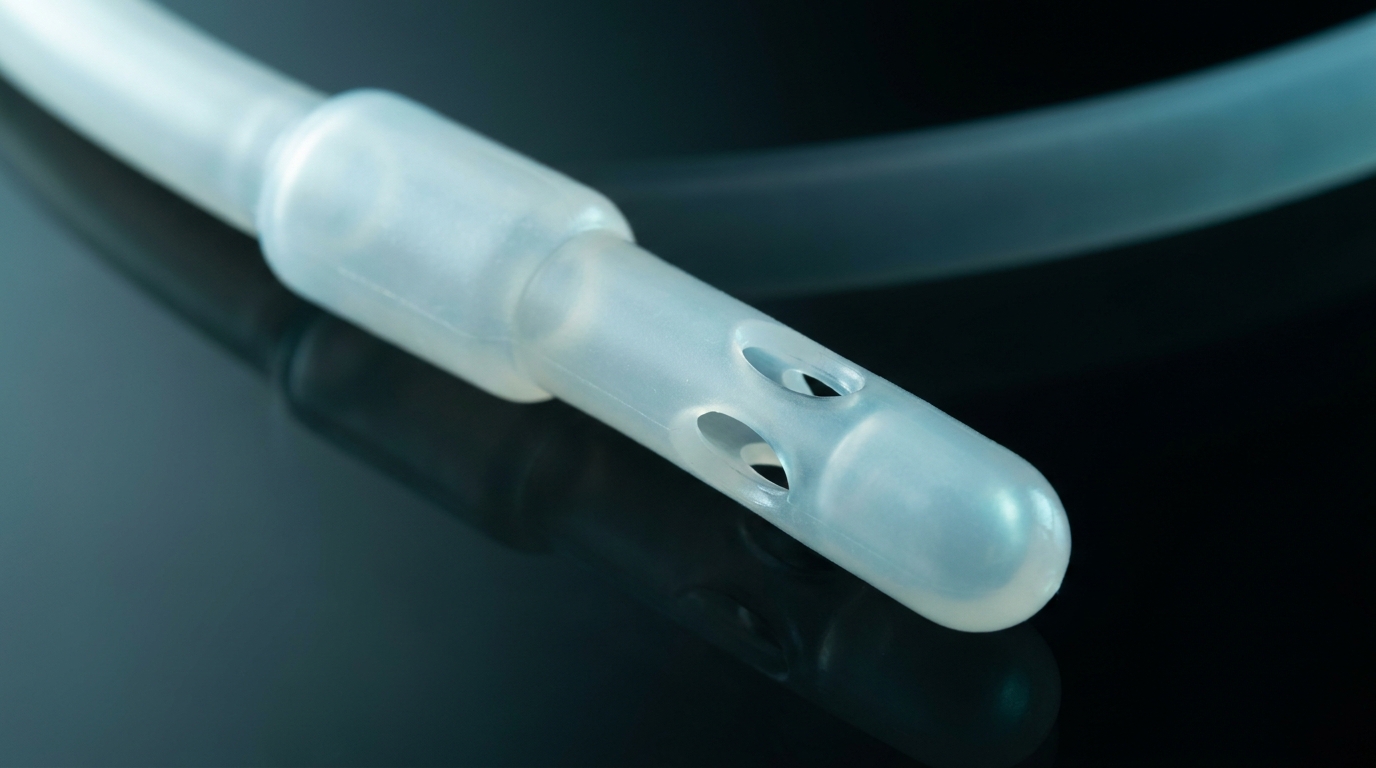
The catheter tip
A silicone urinary catheter with two drainage eyes. This is where microorganisms either settle or do not.
What am I looking at?
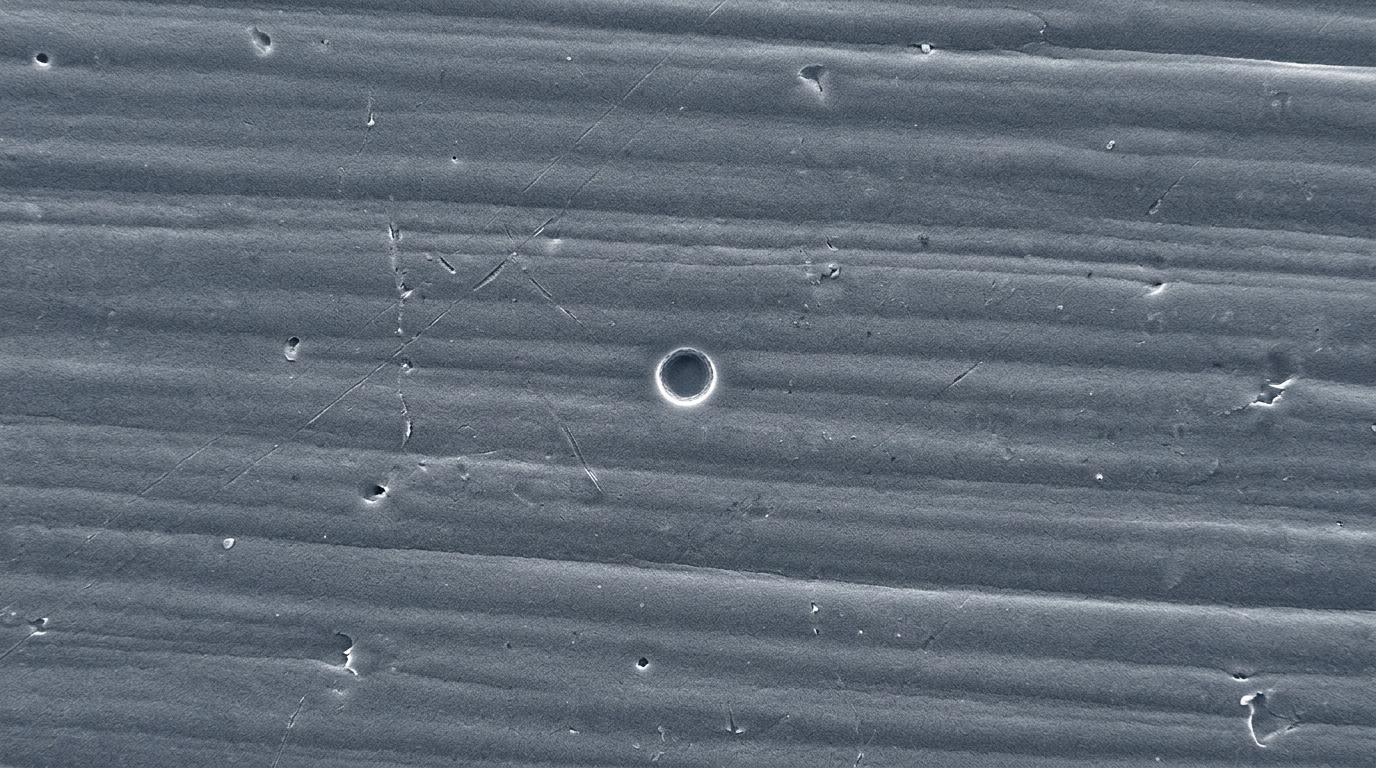
The Scale Journey shows in six steps how small the place is where antimicrobial materials work: from the catheter tip (1 cm) to the silicone surface (1 mm), its topography (100 µm) and attaching bacteria (10 µm), down to the interface of coating and cell envelope (1 µm) and the chitosan chain (1 nm). The images are visualisations, not measurements.
Applications
Where Z-Chitosan works.
In plastics, on surfaces, in fibres and in formulations. Choose your problem.
All applications and the Material Library-
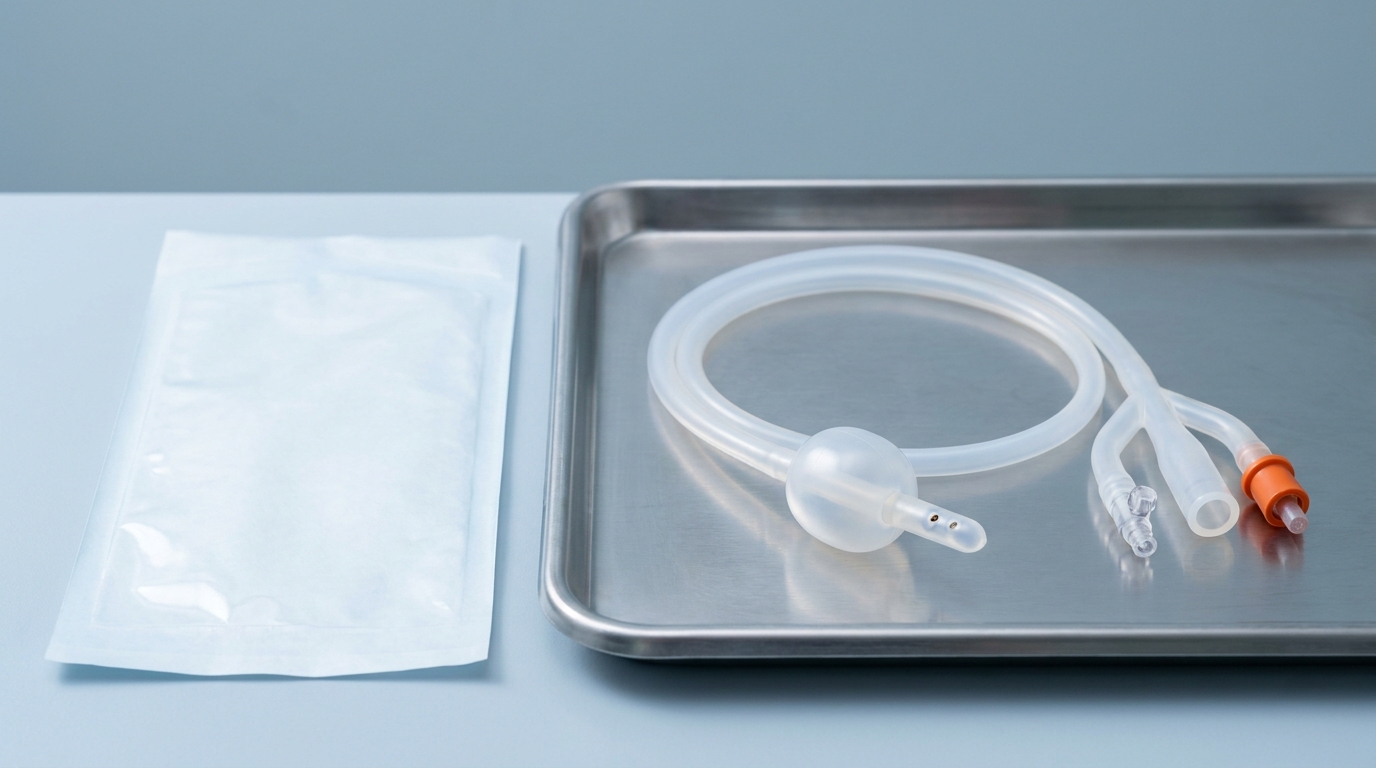 Application example
Medical devices
Biofilm on catheters and medical devices
Coating
Application example
Medical devices
Biofilm on catheters and medical devices
Coating
-
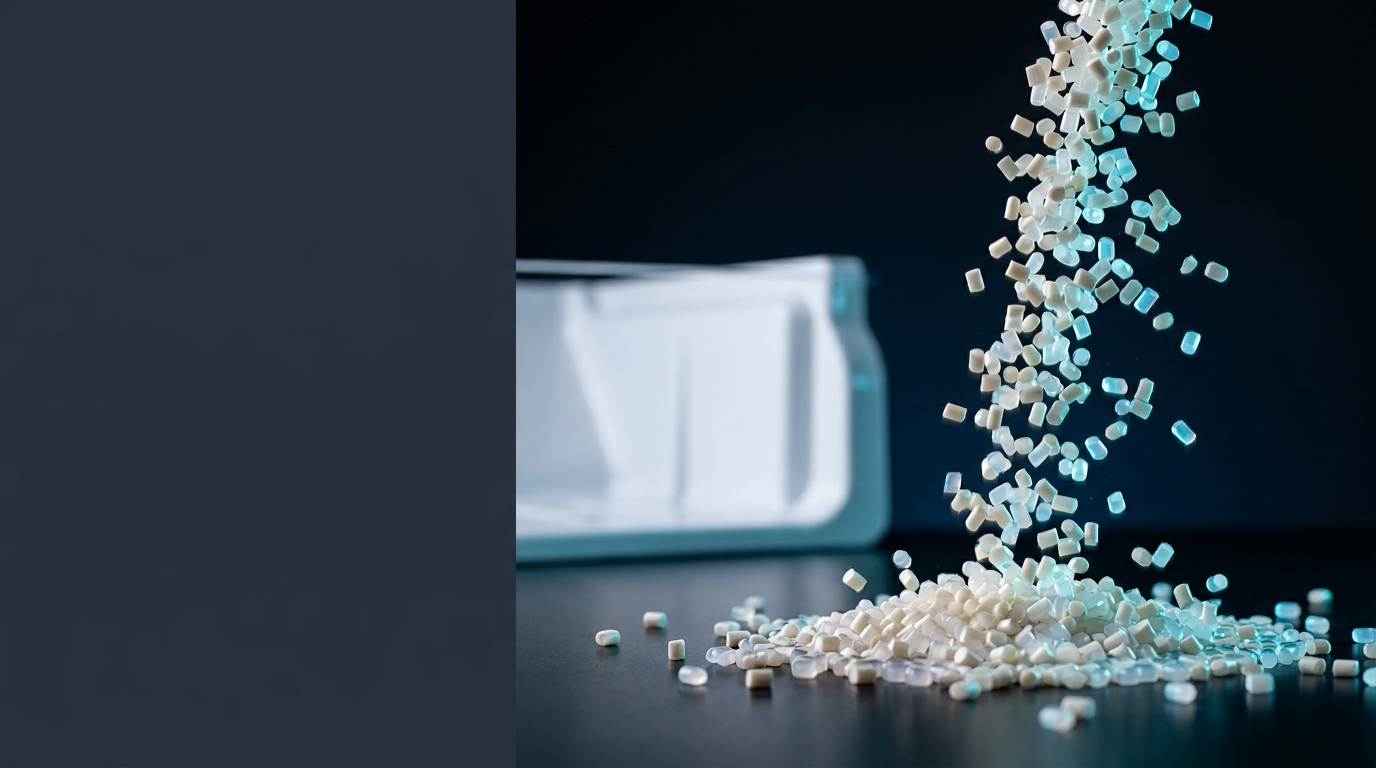 Application example
Plastics & masterbatch
Microbes on plastic parts
Masterbatch
Application example
Plastics & masterbatch
Microbes on plastic parts
Masterbatch
-
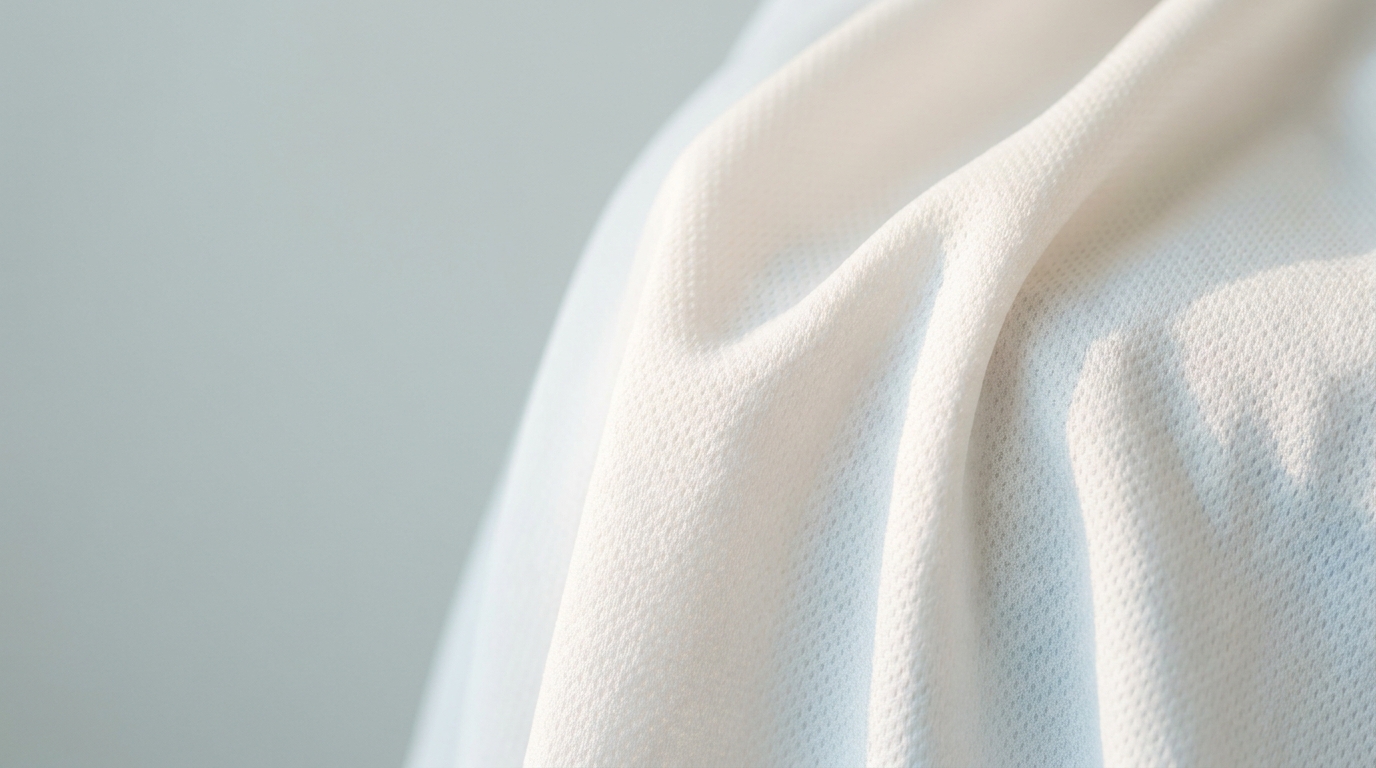 Application example
Textiles
Odour in performance textiles
Finish
Application example
Textiles
Odour in performance textiles
Finish
-
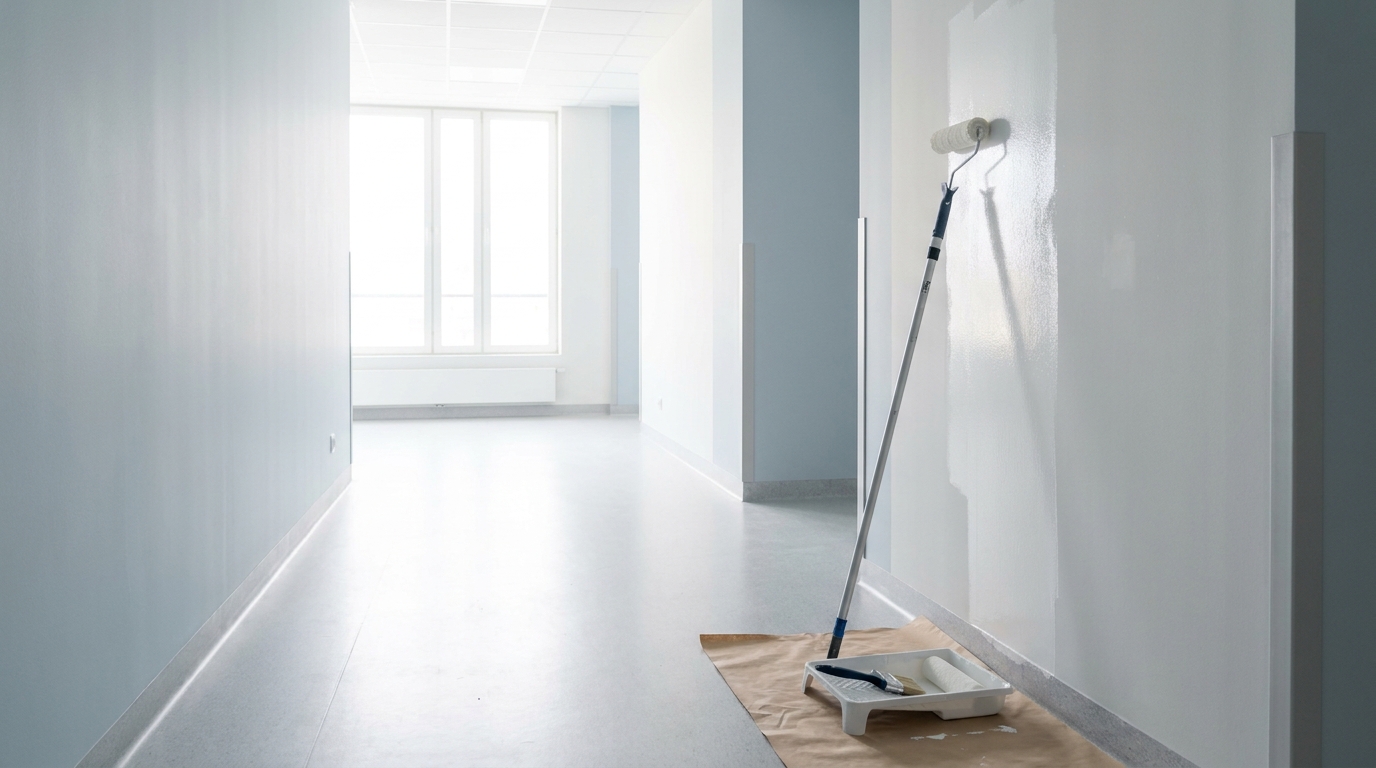 Application example
Paints & coatings
Hygiene on walls and floors
Formulation
Application example
Paints & coatings
Hygiene on walls and floors
Formulation
-
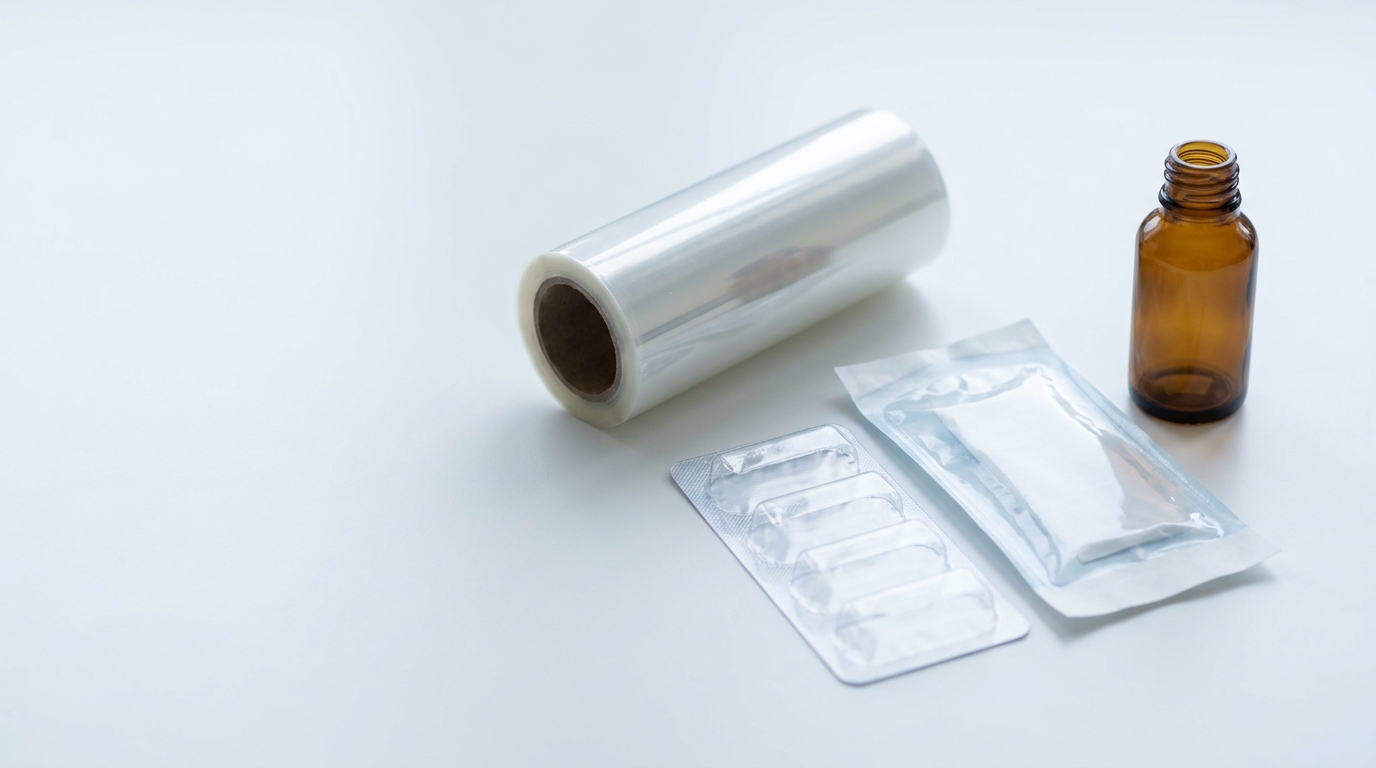 Application example
Packaging
Microbes in and on packaging
Masterbatch · Coating
Application example
Packaging
Microbes in and on packaging
Masterbatch · Coating
-
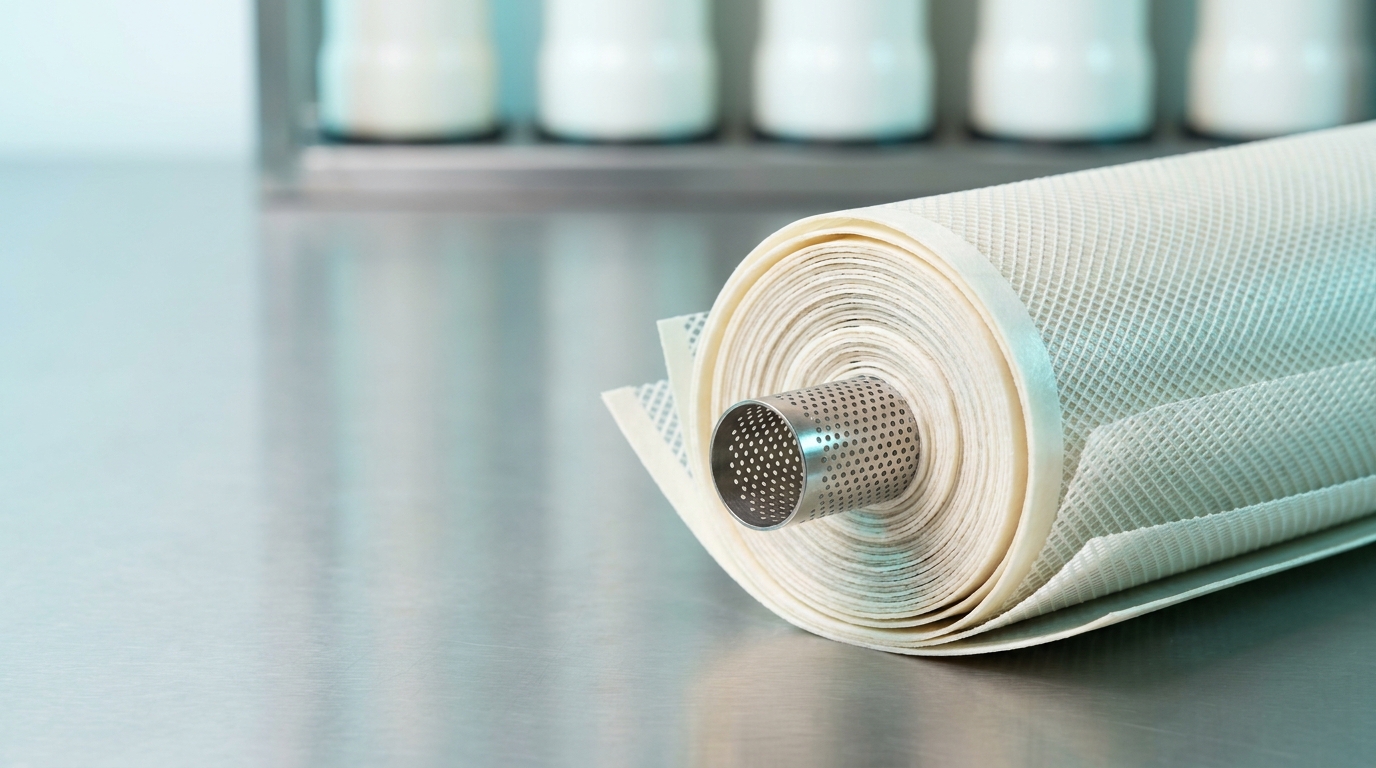 Application example
Water & membranes
Biofouling on membranes
Coating
Application example
Water & membranes
Biofouling on membranes
Coating
-
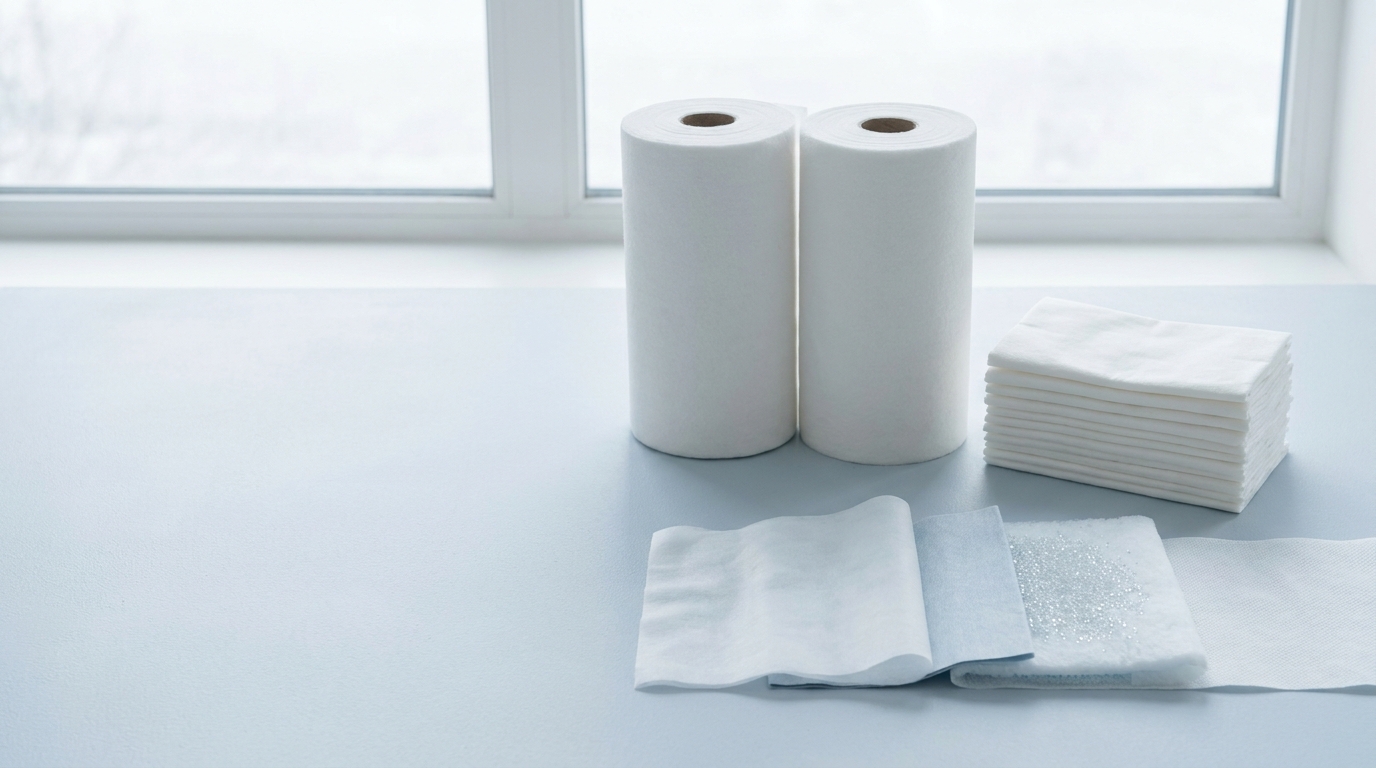 Application example
Hygiene products
Active for wipes, nonwovens and care
Finish · Formulation
Application example
Hygiene products
Active for wipes, nonwovens and care
Finish · Formulation
-
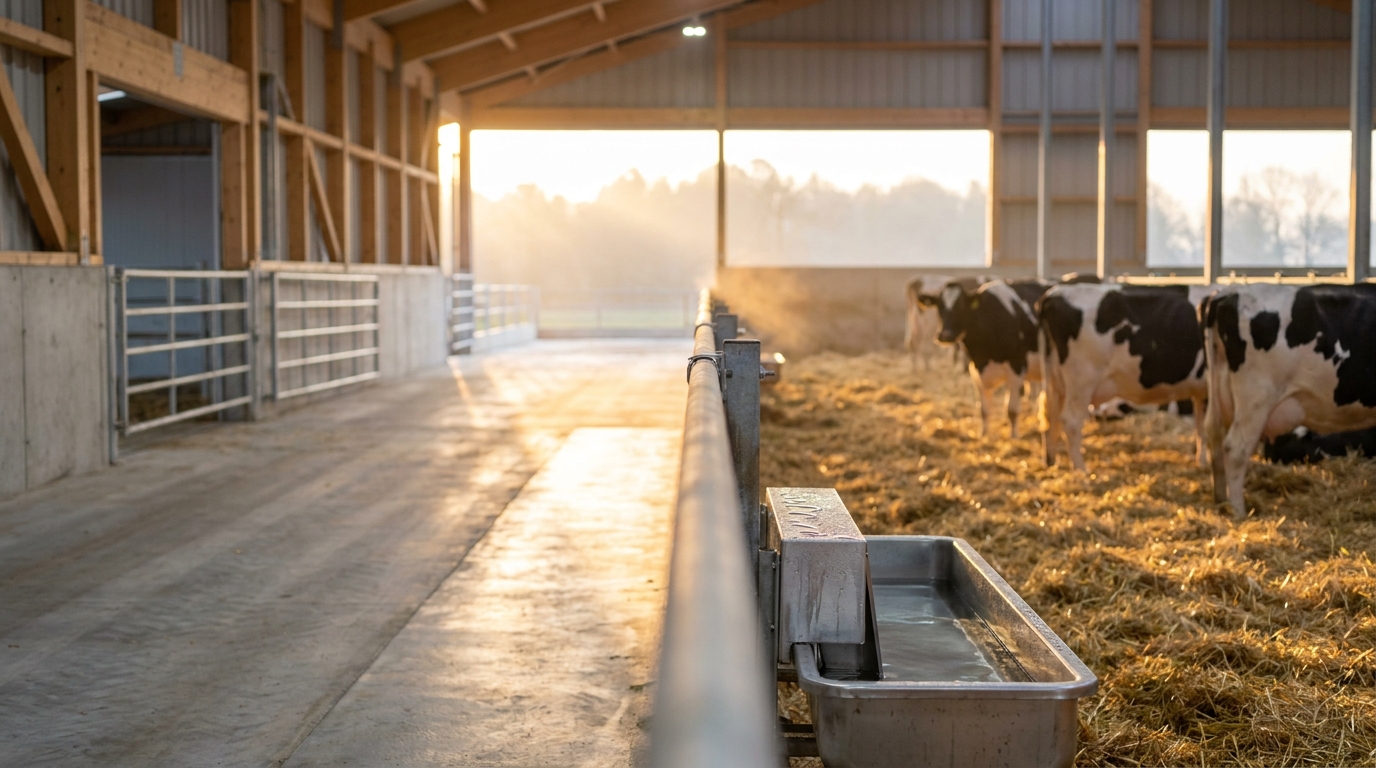 Illustrative image
Animal hygiene
Hygiene in barns and livestock
Partners wanted
Illustrative image
Animal hygiene
Hygiene in barns and livestock
Partners wanted
-
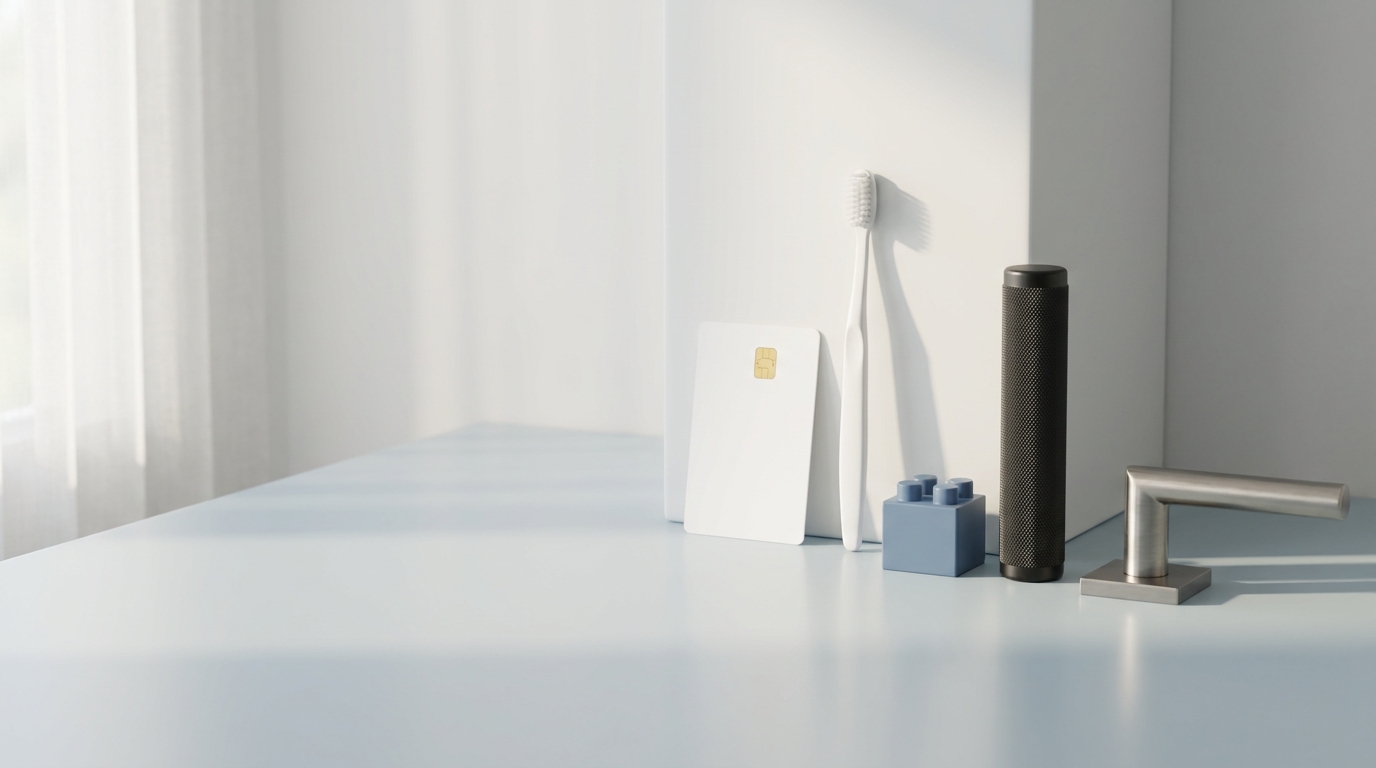 Application example
Touch surfaces
Things many hands touch
Masterbatch · Coating
Application example
Touch surfaces
Things many hands touch
Masterbatch · Coating
Partnering
Three ways to work together.
From a licence under your own control to samples for your process – you choose how much you take on yourself.
-
 Illustrative image
Licensing
You bring Z-Chitosan into your own products, for your field of use and your region.
View the model -
 Illustrative image
Joint development
We develop the solution for your material together, in phases with clear decisions and rights agreed upfront.
View the model -
 Illustrative image
Samples & supply
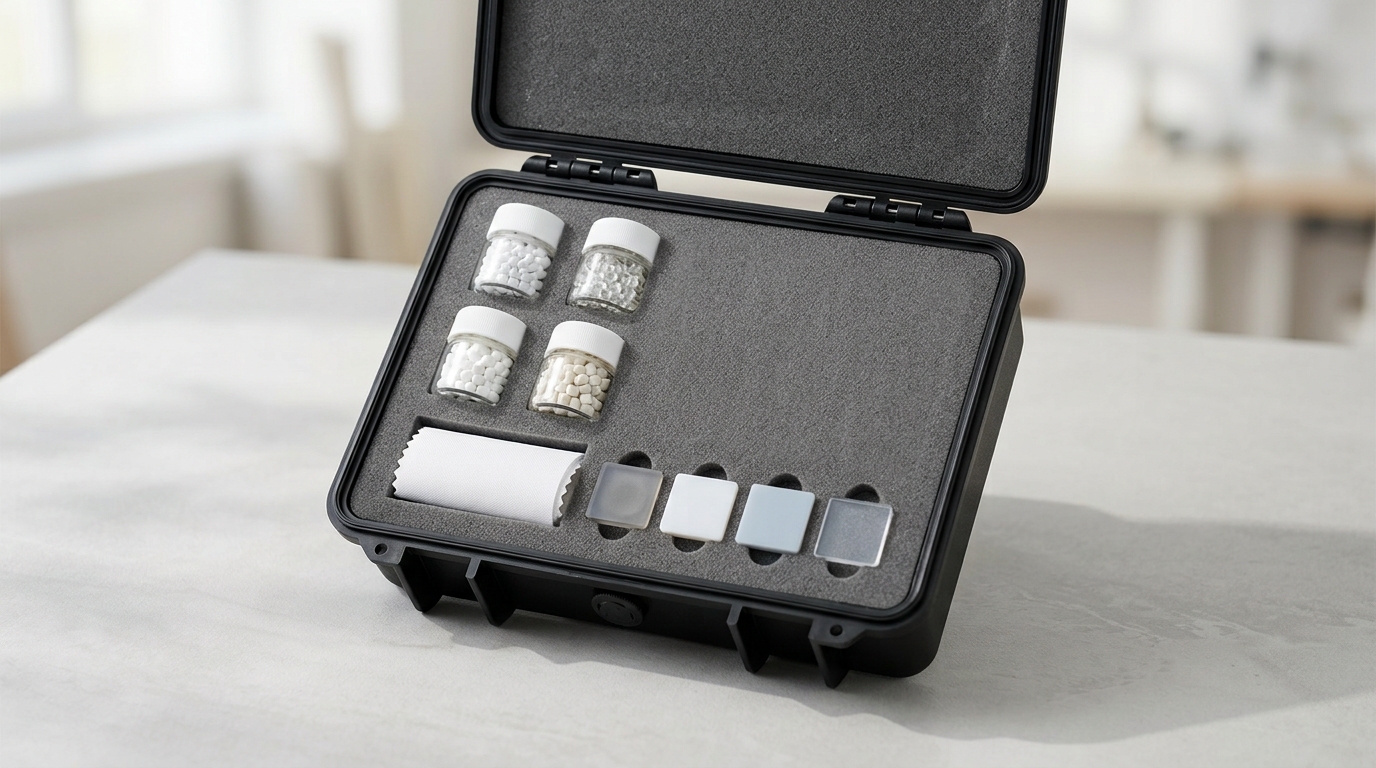
You test Z-Chitosan in your own process, as masterbatch, concentrate or coating solution.
View the model
Your industry? Check feasibility in six steps.
One click opens the Integration Designer with your industry preselected.
Step 1 of 6: choose your industry
Check feasibilityEvidence
Transparency as a principle.
Every graphic and every statement on this website carries a badge. You can see at a glance what the patent specifications describe, what comes from the literature and what a model shows.
- Patent
Patent
The statement appears in one of the two published patent specifications.
- Literature
Literature
The statement comes from a published source, which we cite.
- Model
Model illustration
A visualisation that shows a principle. It is not a measurement.
Why
Why ZCP exists.
- Healthcare-associated infections in the EU/EEA
- 4.3million
- patients in the EU/EEA acquire at least one healthcare-associated infection every year (estimate).
- Literature ECDC, point prevalence survey 2022–2023, published 2024
- Deaths due to antimicrobial resistance
- 1.14million
- deaths worldwide in 2021 were directly attributable to bacterial antimicrobial resistance.
- Literature GBD 2021 Antimicrobial Resistance Collaborators, The Lancet 2024; 404: 1199–1226
Figures as of 09/2026

Surfaces and materials are one route of transmission among many. Z-Chitosan addresses the place where microorganisms settle: the material itself.
Let’s talk about your material.
Describe your project in six steps or book a meeting with the team straight away.