
Application · Packaging
Antimicrobial packaging with chitosan.
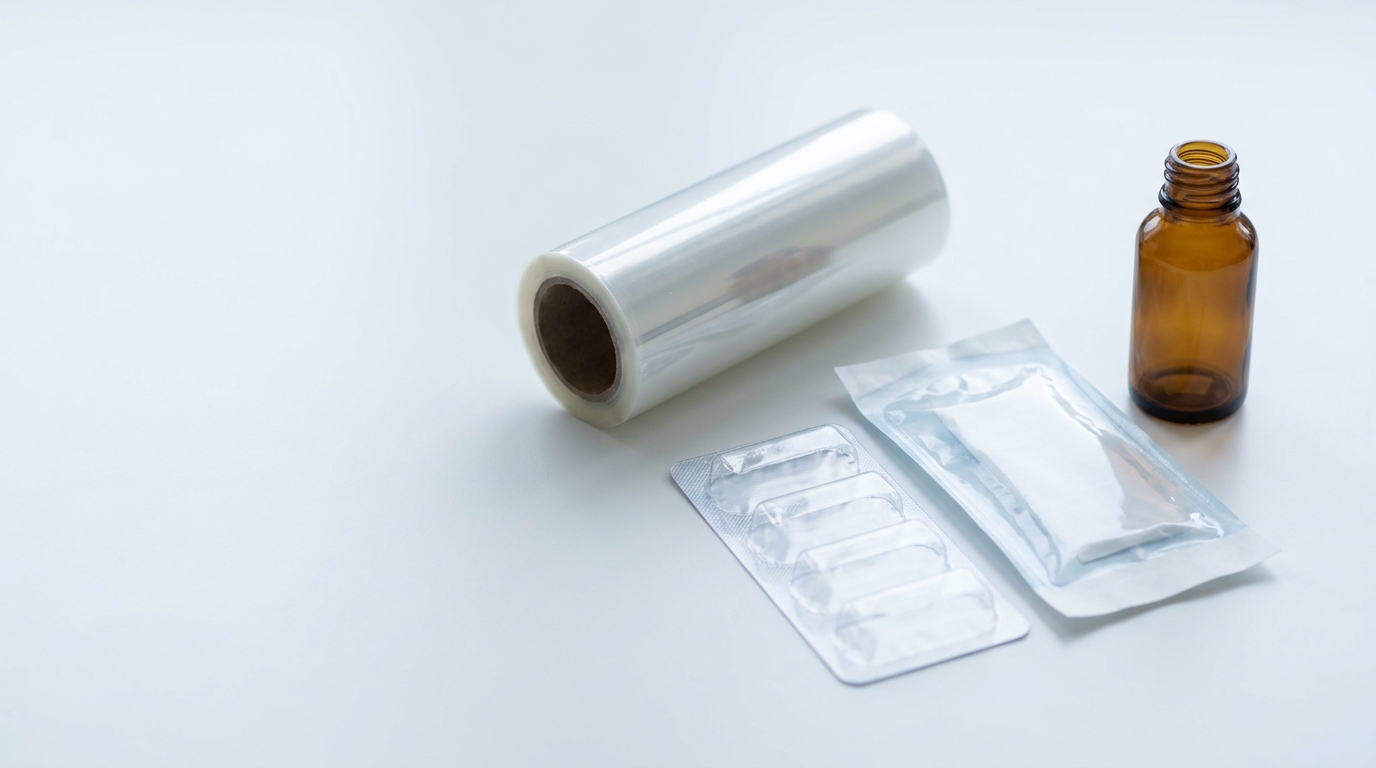
ZCP works with film and packaging manufacturers to develop antimicrobial layers for pharmaceutical, medical and food packaging.
Z-Chitosan sits as a dedicated layer in the laminate, as particles in the polymer or as a coating. The aim is to limit microbial colonisation of the packaging surface.
- Problem
- Microbial colonisation of packaging surfaces
- Material
- PE, PP, PET, paper
- Incorporation
- Masterbatch in one film layer · Coating on film or paper
- Test data
- selected test data on request, subject to review and NDA
The problem
Where packaging reaches its limits.
An antimicrobial layer therefore has to suit the laminate, the sterilisation method and the legal framework.
Literature
15–20%
Microbial spoilage is a major contributor to food waste. An estimated 15–20% of food is wasted worldwide (Snyder et al. 2024).
Sterility
Sterile barrier systems must maintain the sterility of terminally sterilised medical devices until the point of use. ISO 11607-1 sets the requirements.
Structure
Five layers, one of them antimicrobial.
Peel back the corner and the laminate fans out. Each layer shows its material, its function and the role of Z-Chitosan.
- Function
- Graphics and labelling on the outside.
- Typical material
- printed PET or OPP film.
- Z-Chitosan
- not intended.
- Testing
- –
Barrier
- Function
- Slows oxygen, water vapour and light.
- Typical material
- aluminium, EVOH, oxide-coated film.
- Z-Chitosan
- not intended.
- Testing
- –
Antimicrobial layer
- Function
- –
- Typical material
- –
- Z-Chitosan
- Z-Chitosan as particles in the polymer or as a coating. Aim: limit microbial colonisation.
- Testing
- ISO 22196, migration under Regulation (EU) No 10/2011.
Sealing layer
- Function
- Bonds lid and base during heat sealing and touches the contents.
- Typical material
- PE or PP.
- Z-Chitosan
- possible if the effect is needed at the contact surface.
- Testing
- –
Base
- Function
- Gives shape and strength: forming film for blisters, second web for pouches.
- Typical material
- PVC, PP, PET, paper.
- Z-Chitosan
- not intended.
- Testing
- –
Loading model …
Drag the corner to open the layers
Layers
Right arrow: open · Tab: select layer · Esc: close. Structure based on the ZCP catalogue. Z-Chitosan can only act at accessible surfaces; which layer carries it is decided per project.
What am I looking at?
Peel back the corner and the laminate fans out. Each layer shows its material, its function and the role of Z-Chitosan.
| Layer | Function | Typical material | Z-Chitosan | Testing |
|---|---|---|---|---|
| Graphics and labelling on the outside. | printed PET or OPP film. | not intended. | – | |
| Barrier | Slows oxygen, water vapour and light. | aluminium, EVOH, oxide-coated film. | not intended. | – |
| Antimicrobial layer | – | – | Z-Chitosan as particles in the polymer or as a coating. Aim: limit microbial colonisation. | ISO 22196, migration under Regulation (EU) No 10/2011. |
| Sealing layer | Bonds lid and base during heat sealing and touches the contents. | PE or PP. | possible if the effect is needed at the contact surface. | – |
| Base | Gives shape and strength: forming film for blisters, second web for pouches. | PVC, PP, PET, paper. | not intended. | – |
Incorporation
Two routes into the laminate.
Chitosan films for food packaging have been studied for years (Dutta et al. 2009).
Masterbatch
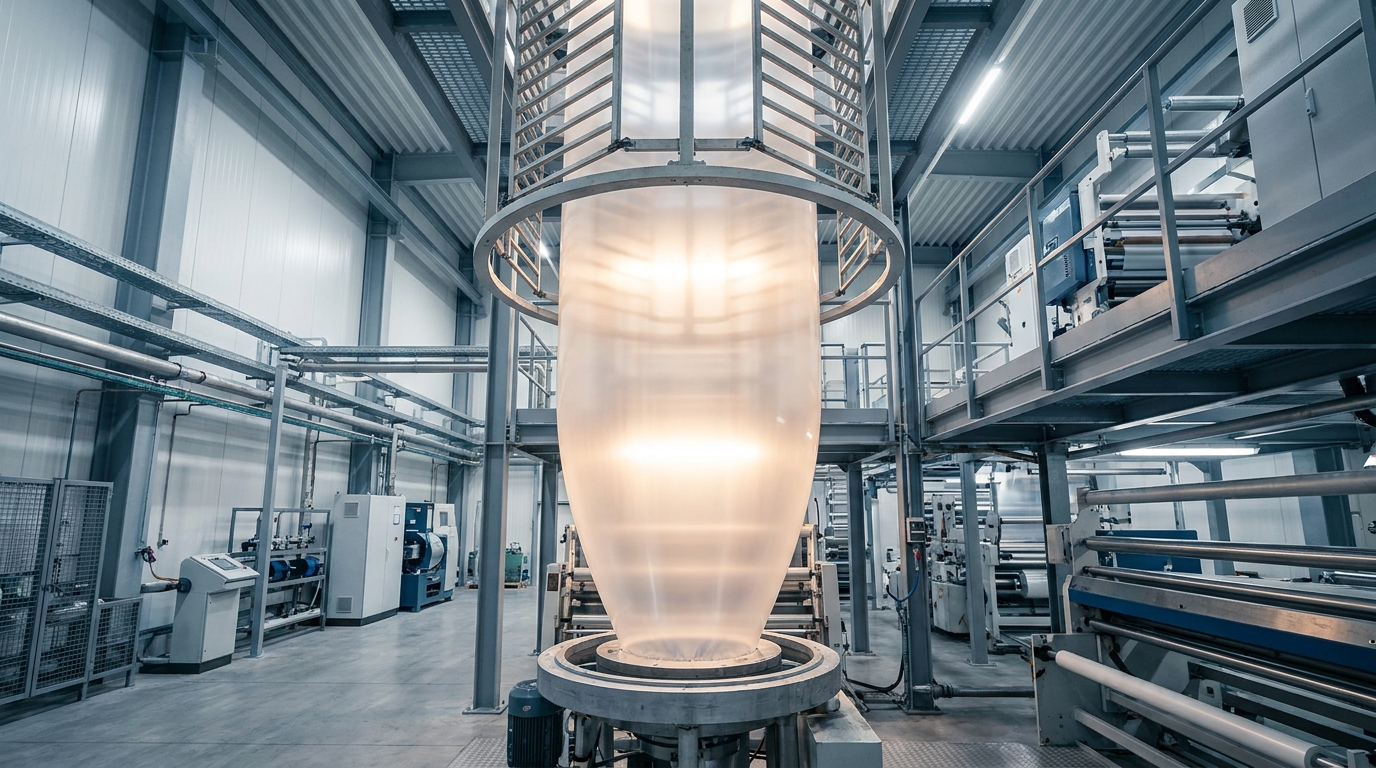
Z-Chitosan is compounded into a polyolefin layer during blown or cast film extrusion. Open points: temperature window, dosage, sealability.
Coating
Applied as a lacquer to film or paper, then laminated or used as the inner face.
Fields of use
- Blister and strip packs
- Bottles and jars
- Sterile barrier and peel pouches
- Food films
Testing
Testing and classification.
Which tests a product with Z-Chitosan needs depends on the material, the use and the intended claim; we define them together in the project. To protect our intellectual property, selected supporting test data may be made available to potential partners on request, subject to review and a non-disclosure agreement.
Regulatory framework
Plastics in contact with food fall under Regulations (EC) No 1935/2004 and (EU) No 10/2011, plus (EC) No 450/2009 if a layer releases substances into the food. If an antimicrobial property is claimed, the packaging is a treated article under Article 58 of the Biocidal Products Regulation (EU) No 528/2012. Sterile barrier systems follow ISO 11607. The allergen question belongs in every assessment; information on the raw material source of Z-Chitosan is available on request.
- Food contact · 1935/2004 · 10/2011 · 450/2009
- Sterile barrier ISO 11607
- Allergen note
Classification without warranty · not legal advice · as of 26 September 2026
Classification, not legal advice. As of 26 September 2026
For your records
Partner fact sheet
- Problem
- Microbial colonisation of packaging surfaces; strict sterile-barrier and food-contact requirements
- Materials
- PE, PP, PET, paper; others on request
- Incorporation
- Masterbatch in one film layer · Coating on film or paper
- Test data
- selected test data on request, subject to review and NDA
- Regulatory framework
- Regulation (EC) No 1935/2004 · Regulation (EU) No 10/2011 · Regulation (EC) No 450/2009 · BPR Art. 58 · ISO 11607
- Partnering
- Joint development · Samples · Licence on request
- Status
- Partners wanted
- Contact person
- Hadi Sultani, Managing Director · +49 176 84362604
FAQ
What packaging makers ask.
Your question isn’t here? Ask the assistant or the team.
Which films can be treated with Z-Chitosan?
The plan covers PE and PP layers with Z-Chitosan compounded in as a masterbatch, and coatings on PET film or paper. Whether a combination works depends on processing temperature, layer structure, sealability and the sterilisation method. Which polymers are approved is settled in the project. The Integration Designer gives a first assessment.
Is food contact possible?
That depends on evidence from the finished laminate: migration tests under Regulation (EU) No 10/2011 and, if a layer releases substances, an assessment under Regulation (EC) No 450/2009. We plan these tests with you for your laminate.
Does an antimicrobial layer extend shelf life?
We make no statement on this without data. Shelf life depends on the contents, production hygiene, barrier and storage. Only storage trials with the actual product can show whether a Z-Chitosan layer contributes. We plan such trials with partners.
Sources4
- Snyder A. B., Martin N., Wiedmann M. (2024): Microbial food spoilage: impact, causative agents and control strategies. Nature Reviews Microbiology 22(9):528–542.
- ISO 11607-1:2019 Packaging for terminally sterilized medical devices – Part 1: Requirements for materials, sterile barrier systems and packaging systems.
- Dutta P. K., Tripathi S., Mehrotra G. K., Dutta J. (2009): Perspectives for chitosan based antimicrobial films in food applications. Food Chemistry 114:1173–1182.
- Regulation (EC) No 1935/2004 · Regulation (EC) No 450/2009 · Regulation (EU) No 10/2011 · Regulation (EU) No 528/2012, Art. 58.
Does Z-Chitosan suit your laminate?
Describe the structure, process and goal. You will receive a preliminary assessment as a project brief.